Hey Yorkie lovers — if you've been wondering what leather ear is, I am here to share what causes it, how to spot it, and most importantly, how to treat it effectively. I want to cut through all the vague articles out there and give you actual information that will cure leather ear on your Yorkie.
What Is Leather Ear in Dogs?
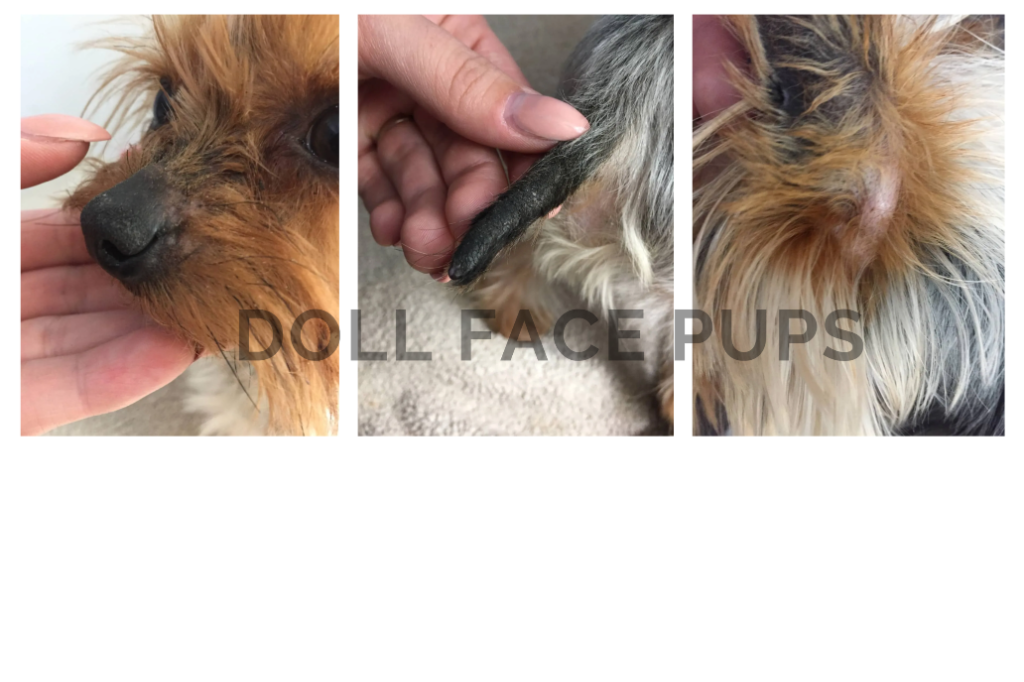
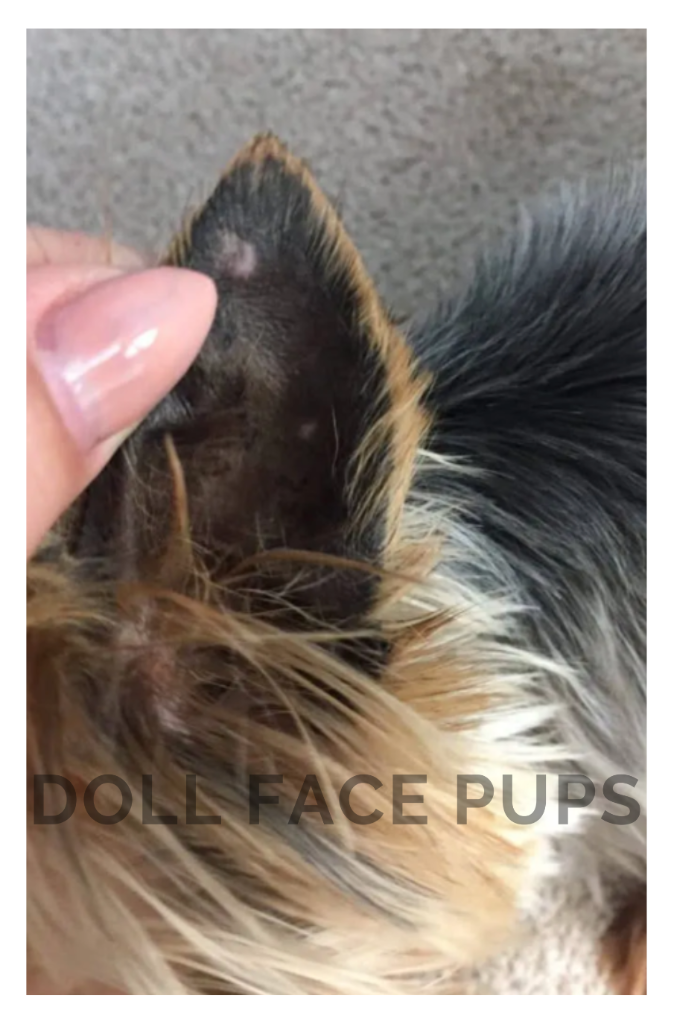
Leather ear in dogs — especially Yorkies — is a fungal skin infection that causes the dog's hair to fall out on the ear, the skin to turn black, and the texture to become slimy and slick. It is a surprisingly common affliction with varying degrees of severity.
How Do Yorkies Get Leather Ear?
Leather ear is also called winter ear — and that nickname is linked to its cause. Fungus grows in dark, damp, cool places. In winter, when dogs don't get much sun and the temperature is cold, they are especially prone. The risk greatly increases if a dog is bathed and their ears aren't dried thoroughly afterward. Yorkies have a coat of hair on their ears that is excellent at trapping moisture right against the skin — once the ear tip gets wet, it can be very hard to dry completely. Add cool temperatures and low sunlight, and you have the perfect environment for fungus.
Important note: oily products like dog shampoos, leave-in sprays, and oils can also cause leather ear. Keep these off the ear tips.
Symptoms of Leather Ear
1. Hair loss on the dog's ear. 2. Skin of the ear turns black. 3. Texture of the ear becomes slimy and slick. 4. The fungal infection can spread to the dog's back legs (hocks), the tip of the nose, and even the tail — resulting in hair loss, skin turning black, and slimy texture in all those areas. 5. My dog is losing hair on its tail / the skin is black on my dog's tail. 6. My dog is losing hair on the top of its nose / the top of my dog's nose is black. 7. My dog is losing hair on the back of its legs and hocks / the skin is black there.
Prevention: How to Stop Leather Ear Before It Starts
✦ Do NOT shave the ears completely bald — leaving the ear bald makes the skin too cold, which is the perfect environment for fungus. Leave a light layer of hair to regulate temperature.
✦ Sun exposure — even through a window — helps kill fungus naturally. Make sure your Yorkie gets daily sunlight. A sunny window spot or supervised outdoor time makes a real difference.
✦ Dry the ears thoroughly after every bath. Use a towel or a pet-safe blow dryer on a low, warm setting. Fungus thrives in damp conditions — this step alone prevents most cases.
✦ Avoid oily sprays and conditioners on the ear tips — they trap moisture and create fungal conditions.
How to Cure and Treat Leather Ear
1. Lotrimin Ultra. I saw many articles recommending regular Lotrimin — I tried it and found that it halted new growth but did not kill existing fungus. The key is Lotrimin ULTRA. Read the back of the tube — the Ultra version contains Butenafine, which is fungicidal (it kills fungus, not just inhibits it). Apply generously to affected areas twice a day and you will see a drastic improvement in just 2 weeks. Each tube is about $14.
2. Sunlight. Sunlight dries out the skin and warms the ear, making it difficult for fungus to survive. Use this alongside your topical treatment.
3. Keep the ears warm. Dogs with severe leather ear often have cold ears. You can get little knitted ear caps for Yorkies — these help keep circulation and warmth up, which prevents fungus from taking hold.
4. As the ear starts recovering, the dying fungus will form flakes. Use a paper towel to clean the ear frequently — removing the dead flaky layer allows sunlight and medication to reach the skin directly.
5. Continue applying Lotrimin Ultra for a third week at once-a-day frequency to ensure any remaining fungal cells are fully eliminated.
6. If Lotrimin Ultra isn't giving you great results, try Lamisil AT — its active ingredient Terbinafine is also fungicidal. Avoid any medication labeled 'fungistatic' — those only inhibit growth and will not cure the infection.
What Did NOT Work
✗ Washing with Listerine — did not work and was painful for my pup. ✗ Washing with rubbing alcohol — did not work and was painful. ✗ Coconut oil — made leather ear significantly worse. Avoid all oily treatments.
When It Has Spread: Nose, Tail & Hocks
If the fungus has spread beyond the ears to the nose, tail, or hocks, you need a medicated antifungal shampoo — it's the only way to reach those areas effectively. Look for a Miconazole-based shampoo (Animal Revival makes a good one, or ask your vet for a prescription colloidal oatmeal version). Use both the spray and the shampoo — the spray works between baths.
Important caution: use Miconazole shampoo only as directed. Overuse can elevate liver enzymes in small dogs. Do not bathe more frequently than recommended — this can damage major organ function in tiny breeds.
I hope this article saves you time, money, and a vet visit — and that your little one starts growing that hair back quickly. All photos in this post are owned by Janet Tolbert / Doll Face Pups and may not be copied or reused without written permission. 🐾